Round Table on Internationalisation at Higher Education Institutions
16. 8. 2026
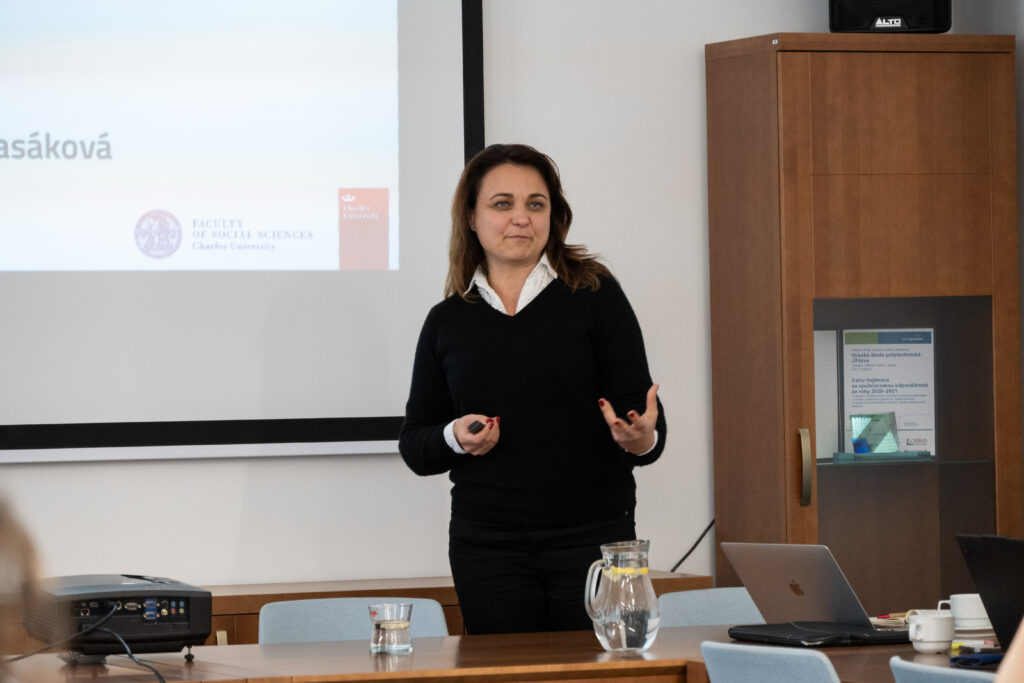
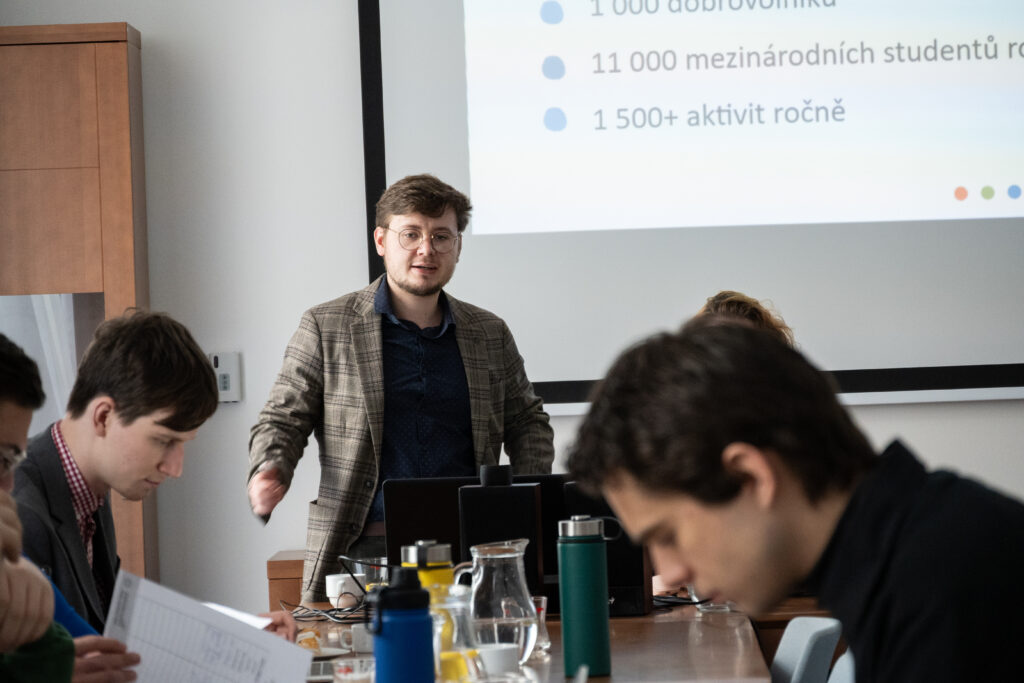
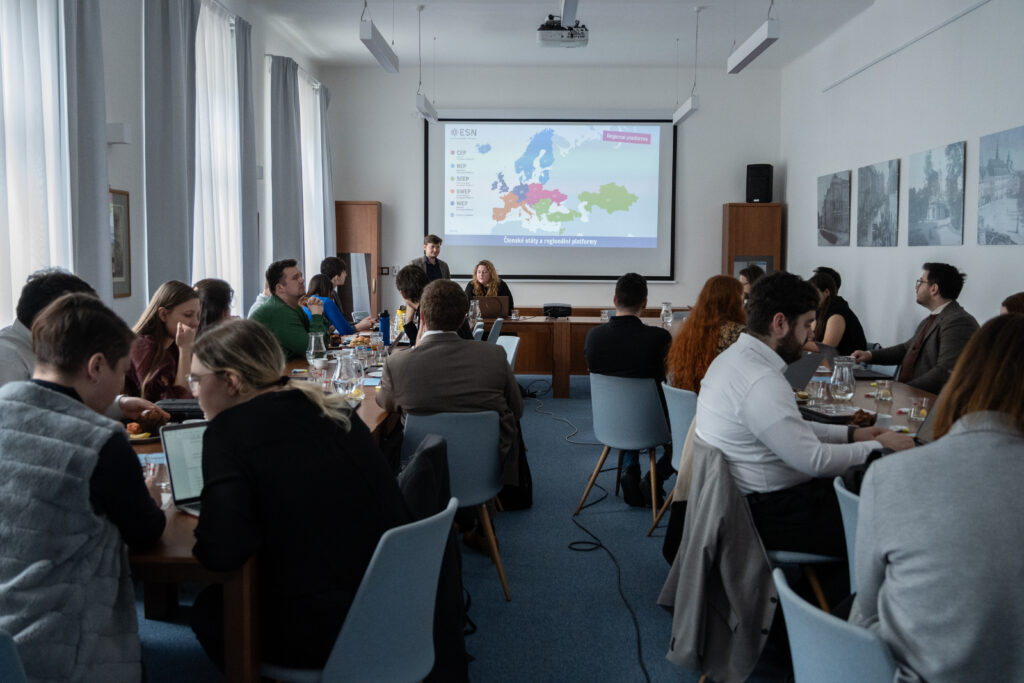
The Student Chamber of the Council of Higher Education Institutions organised a round table dedicated to internationalisation on 13 February 2026 at the College of Polytechnics Jihlava. Students from across the country came to the regional capital of the Vysočina Region to open the first major topic of 2026 and to follow up on the series of round tables held in 2025. The discussion took place in an informal yet focused atmosphere. Participants were literally seated at a single table, which naturally encouraged everyone present to participate. It was not a typical conference format with long presentations – rather a lively exchange of views, combining concrete experiences from individual institutions with broader reflections on the future direction of Czech higher education. The meeting followed the long-term effort of SK RVŠ to open topics that influence the quality of studies and the functioning of higher education institutions, while also providing space for sharing experiences among students, academics, representatives of higher education institutions, and other important stakeholders such as Erasmus Student Network and the Czech National Agency for International Education and Research.
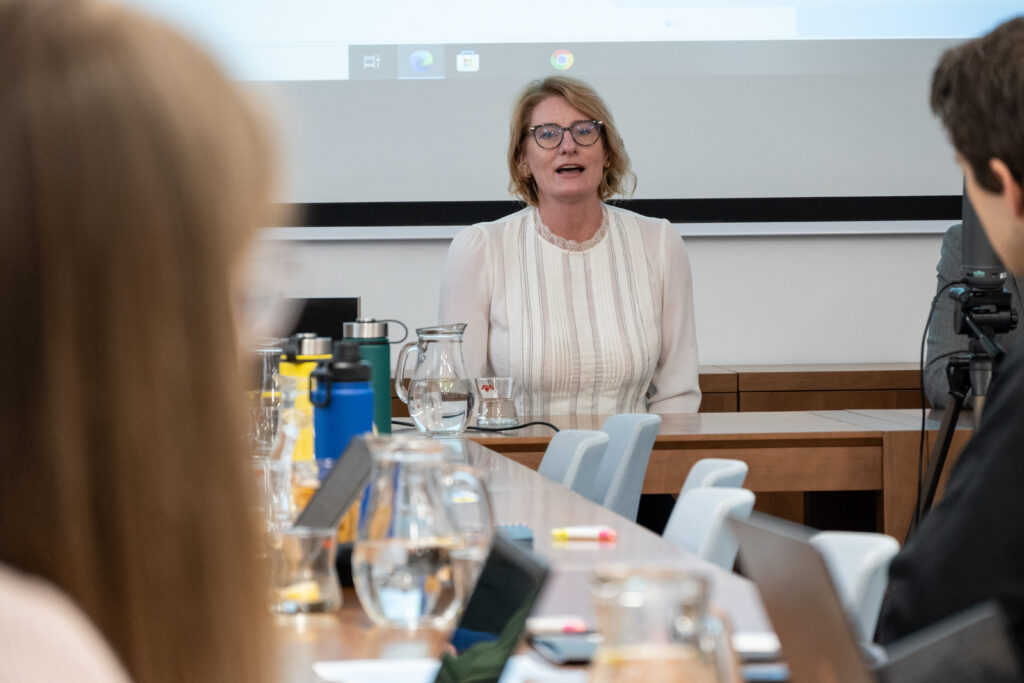
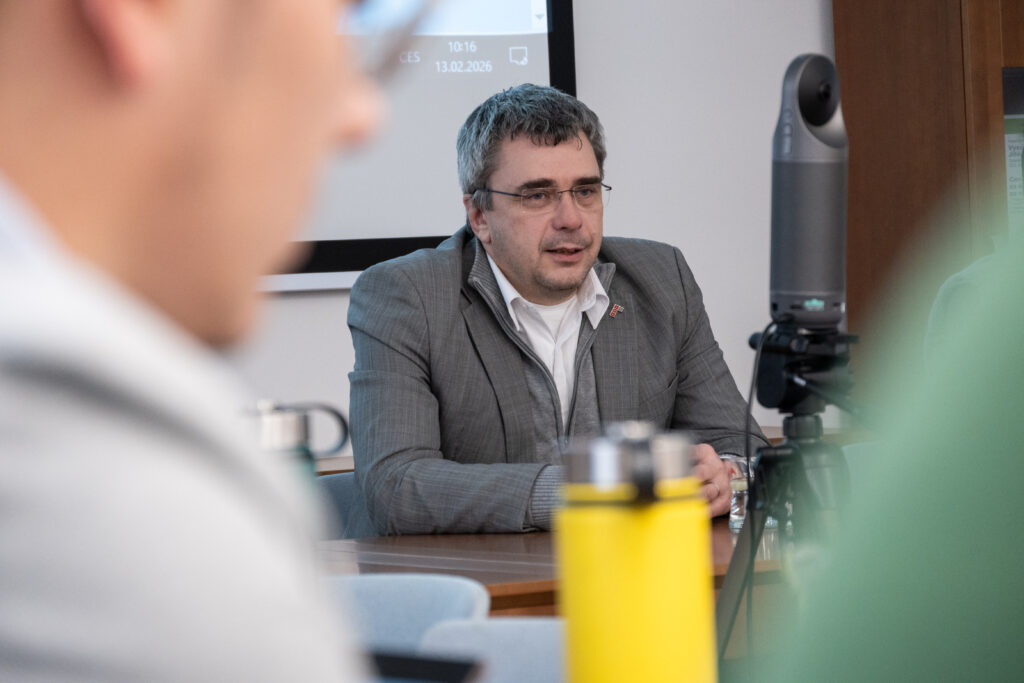
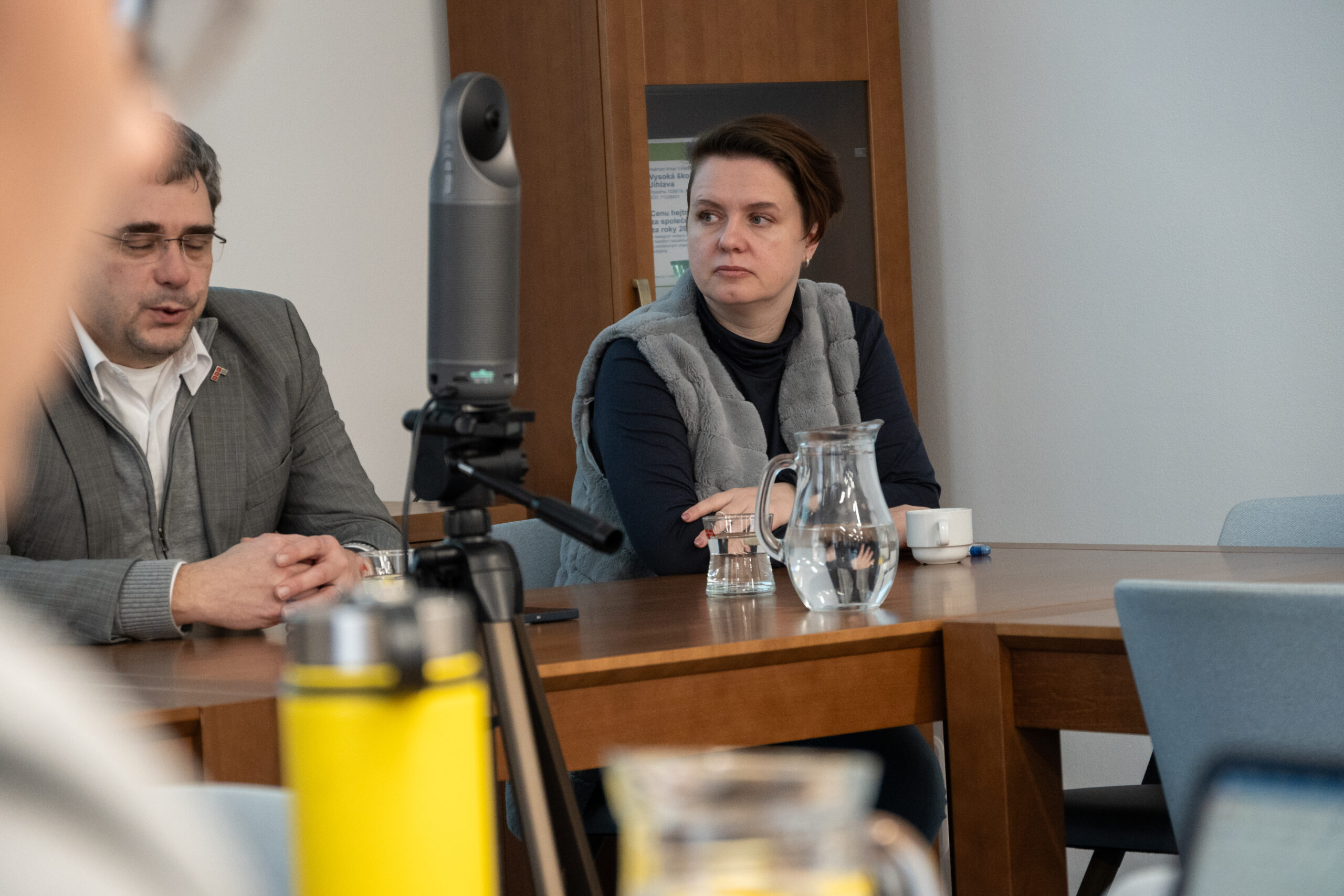
An open debate on what internationalization truly means revealed not only a consensus that internationalization is not just about studying abroad through the Erasmus programme, which, of course, is a trailblazer in the field of internationalization. Mobility is important, but it represents only part of a broader picture. The involvement of international students and lecturers, online forms of internationalisation, and blended programmes all play an indispensable role today. The discussion, therefore, addressed topics related to the everyday functioning of institutions – from teaching in foreign languages, through the involvement of international experts, to creating an environment where students from different countries can naturally meet and collaborate.
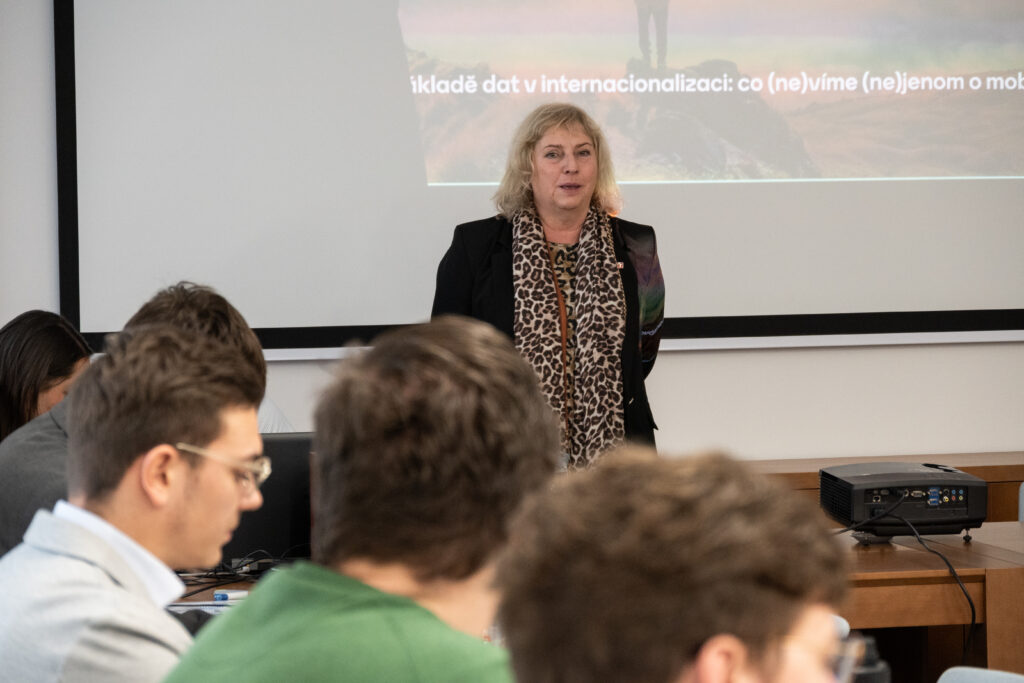

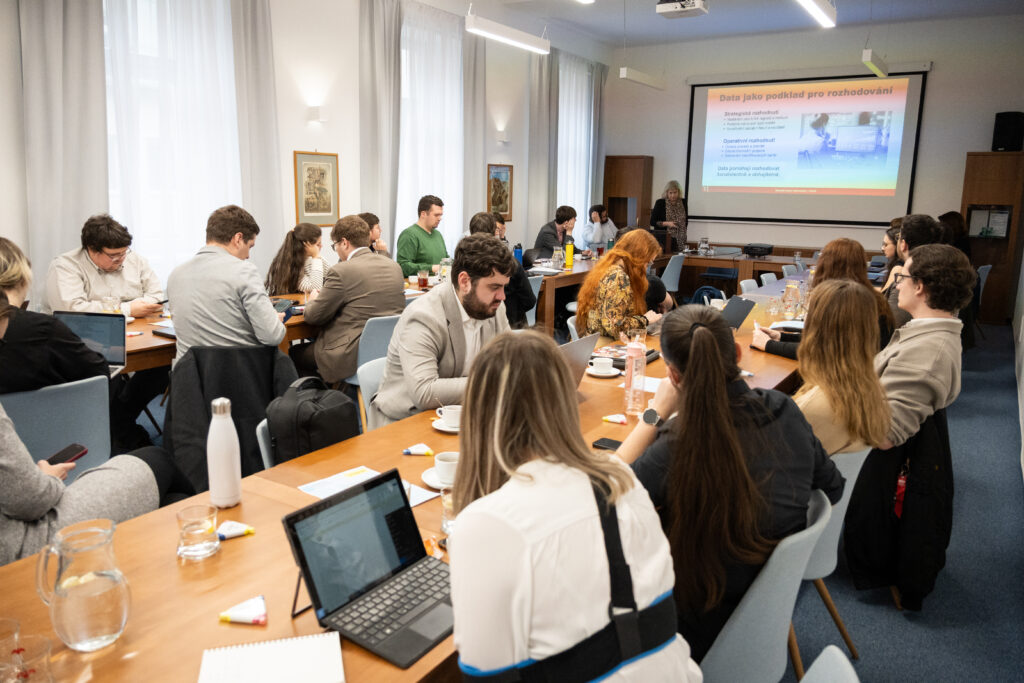
Considerable attention was also paid to how to introduce an international dimension for students who do not go abroad. We also discussed the barriers and conflicts that naturally arise from internationalisation and encounters between different cultures, which need to be openly communicated and addressed sensitively. However, barriers can also be very practical: capacity, funding, language preparedness, or administrative burden.
The event confirmed that internationalisation is not a one-off project but a long-term process requiring cooperation among many stakeholders. At the same time, it showed that students have a genuine interest in moving Czech higher education towards greater openness and global interconnectedness, and that internationalisation is gradually becoming a natural part of studies.
You can look forward to the next round table on 15 May 2026 at Masaryk University, where we will focus on legislation in higher education.